Pardo celebra 150 años entre Literary memory and rural tourism
A 200 kilómetros de Buenos Aires, the small town of Las Flores commemorates the arrival of the railroad with gaucho parade, popular dance and criollo lunch.
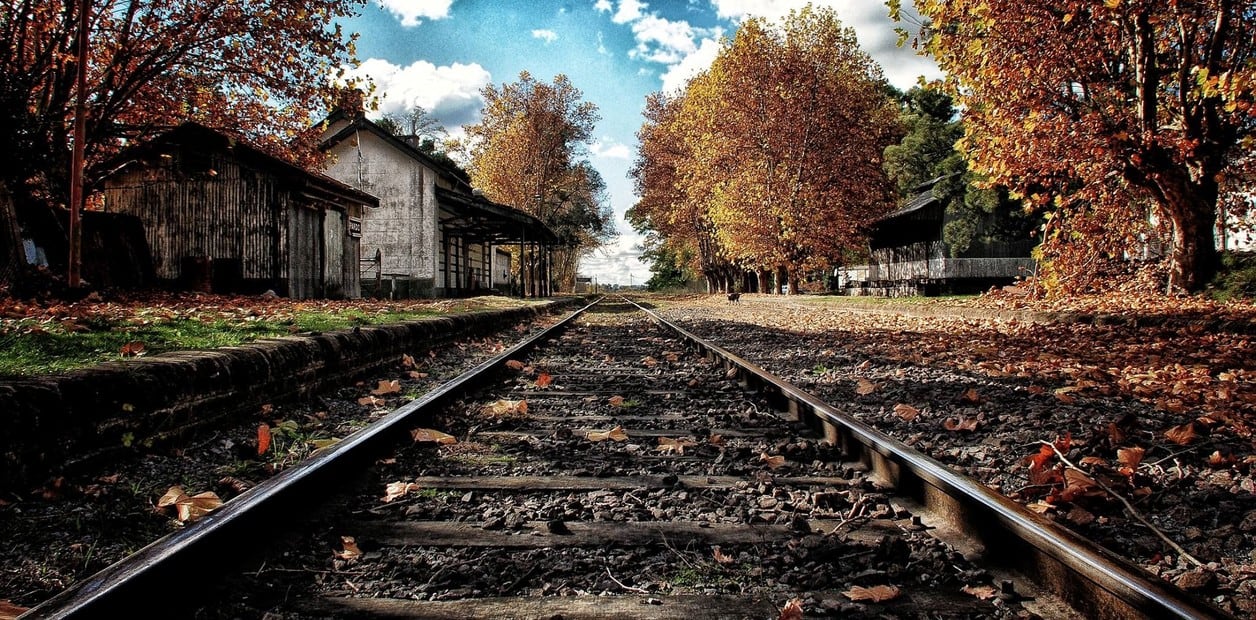
If you travel along National Route 3, about 200 kilometers from Buenos Aires, you will reach Pardo, a small rural town in the partido de Las Flores. This September it celebrates 150 years since the first train arrived, on September 18, 1876. The anniversary will be held over the weekend of September 19 and 20, with a gaucho parade, a popular dance and a criollo lunch.
The town has fewer than 200 inhabitants and can be visited on foot. Its few quiet blocks include dirt streets named after trees, the Nuestra Señora del Perpetuo Socorro church, built in 1892 and linked to the Bioy family, the school named after the writer’s grandfather, and Club Unión Deportiva. Pardo grew around the railway station, an old building that survived the closure of the service and now houses the Museo Biblioteca Adolfo Bioy Casares.
A landscape linked to Argentine literature
The Bioy family has been connected with the area since 1835, when Juan Bautista Bioy, a French immigrant, bought a property from Lino Pardo and founded the Rincón Viejo estancia. He also opened a pulpería beside the route that would later become National Route 3. His grandson Adolfo spent summers there with Silvina Ocampo, while Jorge Luis Borges and Victoria Ocampo visited.
The rural setting was part of the writers’ work. Bioy began La invención de Morel at Rincón Viejo, and Borges referred to the estancia in his story El Sur. Silvina Ocampo began writing in Pardo, where the countryside appears in Viaje olvidado and Autobiografía de Irene. Borges and Bioy also wrote together under the pseudonyms H. Bustos Domecq and B. Suárez Lynch.
- Visit the Museo Biblioteca Adolfo Bioy Casares to see photographs, books, documents and objects connected with the writer and the area’s rural history.
- Walk through the town’s few streets and stop at the church, the school and Club Unión Deportiva.
- At La Vieja Estación, open on weekends and public holidays, you can find stews in winter, grilled food in summer and vegetarian options. The place has four cabins and a camping area with a service point for motorhomes.
As a reference, the journey from Buenos Aires is about 200 kilometers along National Route 3. A less widely known stop is the rural area around Rincón Viejo, where the Bioy family history began and where the connection between the landscape and Argentine literature becomes especially clear. The best time to visit is in September, when the town celebrates its anniversary and offers a direct glimpse of its rural traditions.